

ADAS calibration is vital for safety. Learn what it means and why proper calibration is essential for modern vehicles.
TL;DR
- Replacing a windshield on a 2018-or-newer vehicle almost always requires ADAS recalibration because cameras and sensors are mounted to the glass.
- Skipping calibration can cause lane-keeping and automatic braking systems to operate outside their designed parameters without triggering a warning light.
- Two calibration methods exist: static (in-shop) and dynamic (on-road). Your vehicle may require both.
- OEM glass and aftermarket glass have different optical tolerances that affect camera accuracy.
A Routine Insurance Claim Reveals a Complication Most Drivers Don't Expect
For most vehicles built after 2018, a windshield replacement is not complete without ADAS camera recalibration. The glass and the safety system are a matched pair. Replacing one without resetting the other leaves the system operating on unverified parameters.
Imagine you're driving down I-35E when a truck kicks up a rock and spiderwebs the lower corner of your windshield. You file a claim, schedule the replacement, and then the shop asks: "Does your vehicle have a forward-facing camera?" You say you think so. They tell you the job now includes a calibration procedure, and the price is higher than you expected. That moment of confusion is increasingly common for Twin Cities drivers, and what you do next matters more than most people realize.
What Is ADAS and Why Is the Windshield a Critical Component?
ADAS features like automatic emergency braking and lane departure warning depend on cameras mounted to the windshield. That glass is not interchangeable without consequence. OEM and aftermarket glass carry different optical tolerances, and either can affect how accurately the camera reads the road ahead.
ADAS stands for Advanced Driver Assistance Systems. It is the collective name for the safety features now standard on most vehicles built after 2018: lane departure warning, automatic emergency braking (AEB), adaptive cruise control, and forward collision warning. These systems rely on sensors and cameras physically mounted to the windshield, typically positioned behind the rearview mirror at the top center of the glass.
What Are the Real Risks of Skipping or Incorrectly Performing ADAS Calibration?
A miscalibrated ADAS camera can degrade lane-keeping and automatic braking performance without triggering any dashboard warning. The vehicle appears to function normally while operating outside its verified safety specification. OEM service documentation for most major manufacturers requires recalibration after every windshield replacement.
A miscalibrated forward-facing camera does not necessarily throw a warning light. The system may appear fully operational while running outside its intended parameters, which is the most consequential failure mode.
Specifically, a camera shifted even slightly from its calibrated position can alter lane-keeping assist thresholds, causing the system to intervene too late or not at all. For AEB, misalignment can delay object recognition and push back the trigger point for automatic braking. AAA's vehicle technology research has documented significant performance variability in ADAS features even under controlled conditions; a post-replacement camera that has not been properly recalibrated compounds that variability.
The National Highway Traffic Safety Administration has been expanding its regulatory attention on ADAS reliability, and OEM service procedures for most major manufacturers now explicitly require recalibration after any windshield replacement. Skipping that step is not a shortcut. It is a decision to operate safety-critical hardware outside its verified specification.
Static vs. Dynamic Calibration: Which Procedure Does Your Vehicle Actually Need?
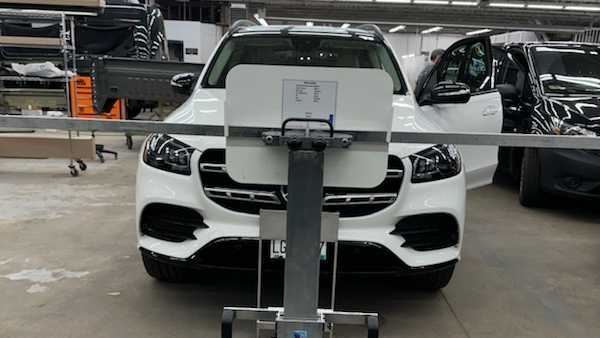
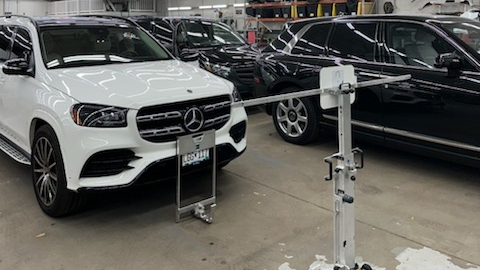
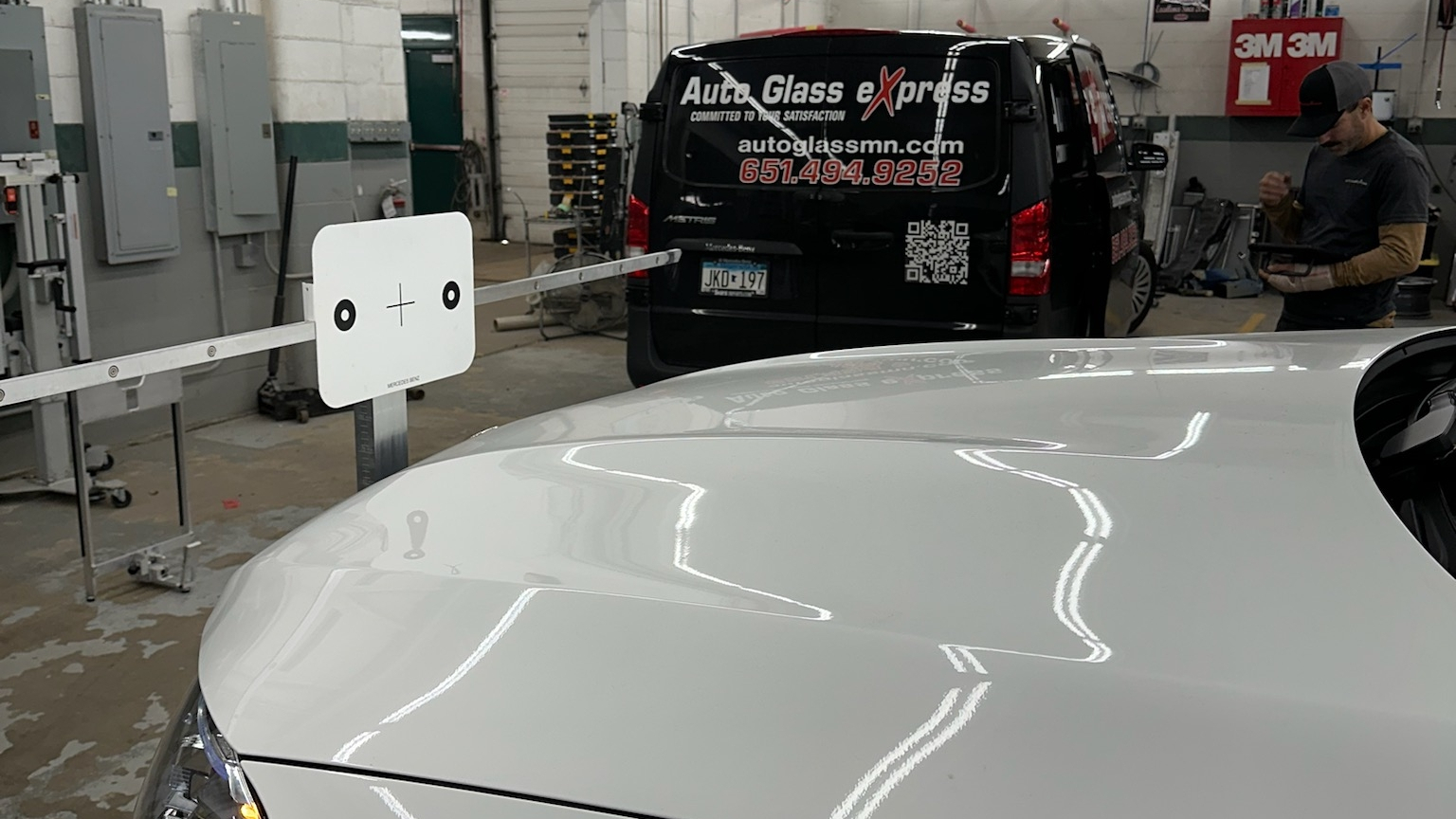
Static calibration is performed in a controlled shop environment using manufacturer-specified target boards.
Dynamic calibration is performed while driving.
Many vehicles require both.
Static Calibration
Static calibration is performed with the vehicle parked on a level surface. Technicians position manufacturer-specified target boards at precise distances and heights in front of the vehicle. The process typically takes 30 to 90 minutes and requires a controlled environment free of reflective surfaces and ambient light interference.
Dynamic Calibration
Dynamic calibration is performed on the road. The vehicle is driven above a minimum speed threshold, typically 25 mph or higher, depending on the manufacturer, while the system uses live visual input to relearn its reference points. Some OEM procedures require dynamic calibration to follow static calibration, not to replace it.
Get Your Windshield Replacement and ADAS Calibration Done Right
If you're a Twin Cities driver dealing with a damaged windshield on a vehicle with ADAS, the calibration step is not optional and not interchangeable between providers. Our team serves the Twin Cities metro area with OEM-compliant procedures and certified technicians. Contact us to get a quote today. No pressure, no guesswork.